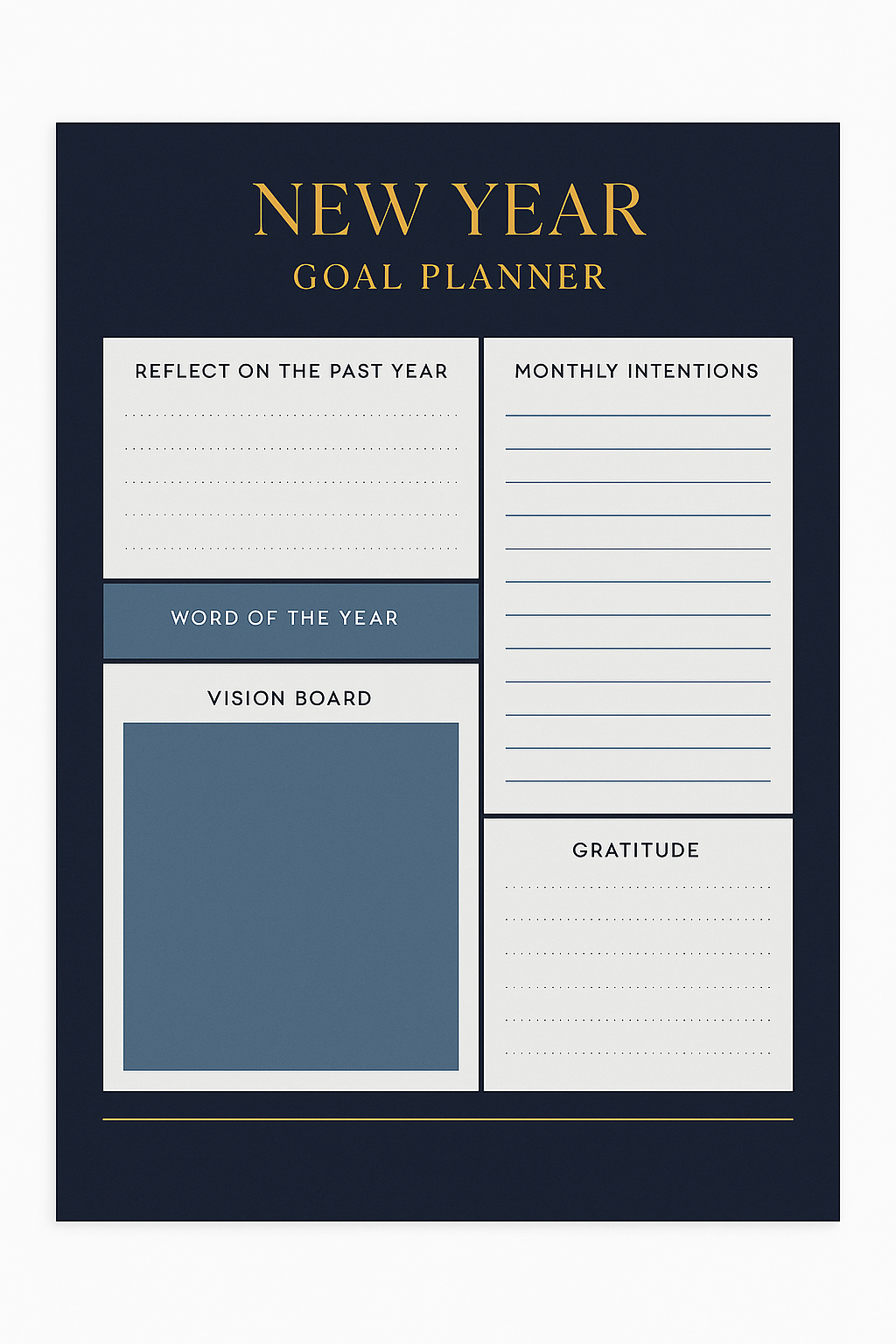
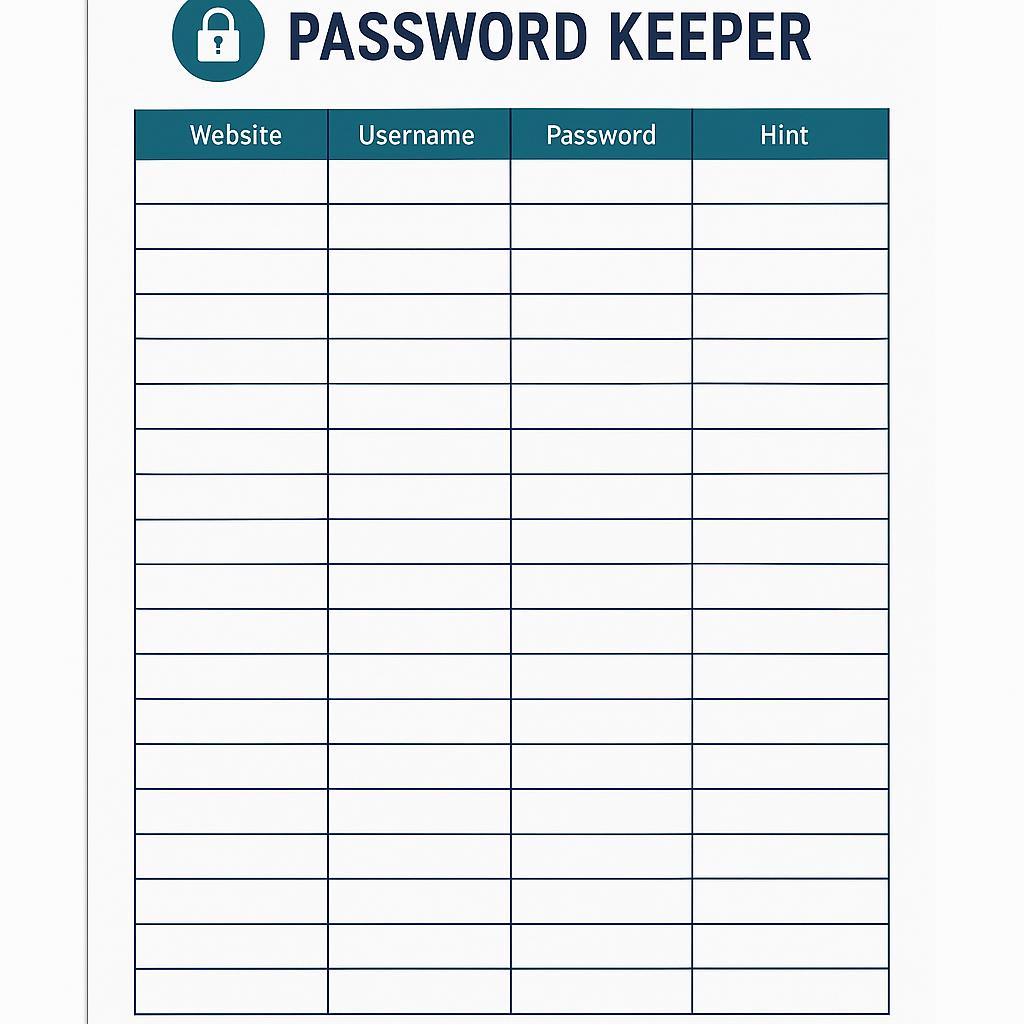
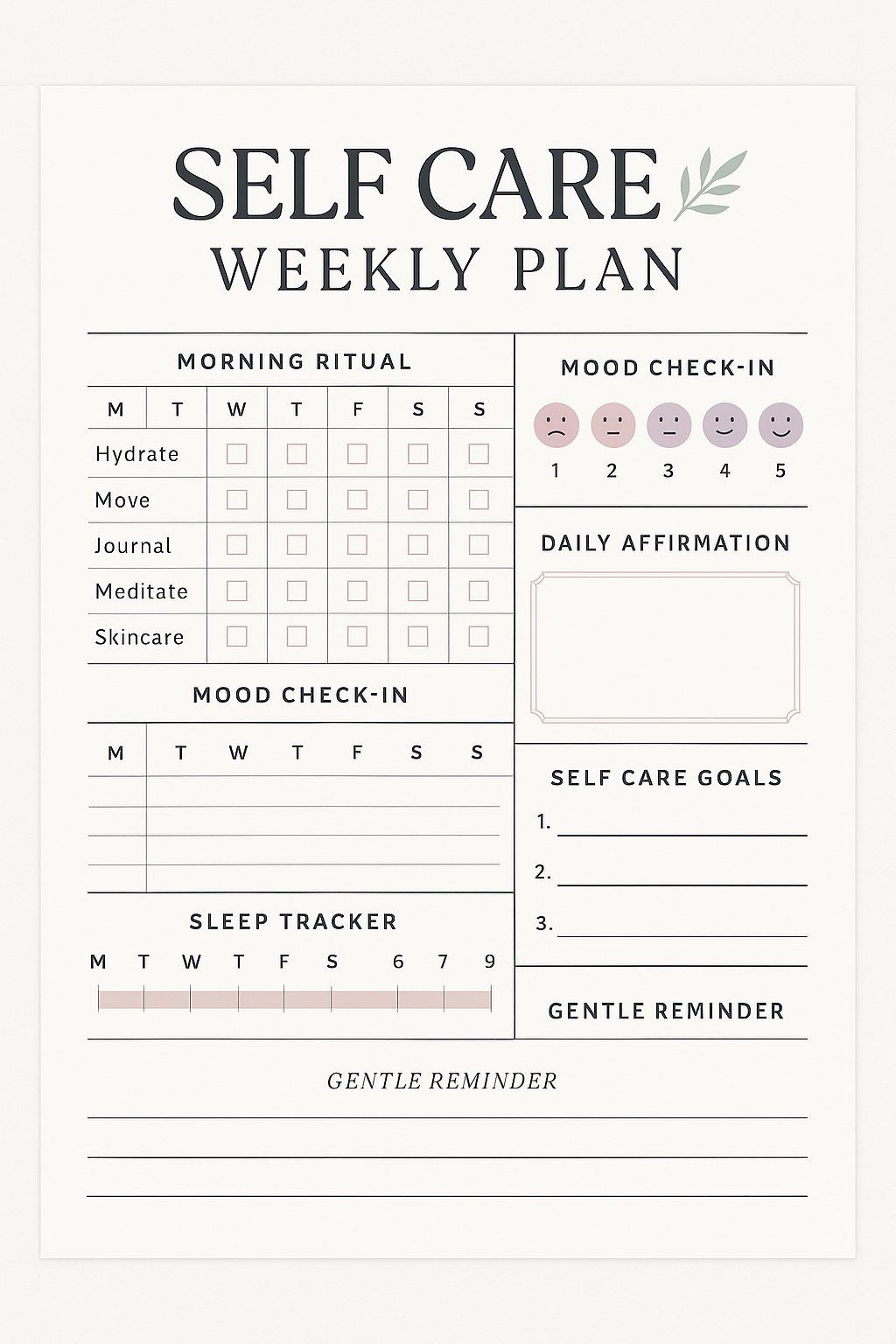
Real Examples You Can Sell
What your adhd planner could look like
Every generation gives you a print-ready design — a real, unfiltered output. Similar planners are commonly priced around $6 to $24 on Etsy.
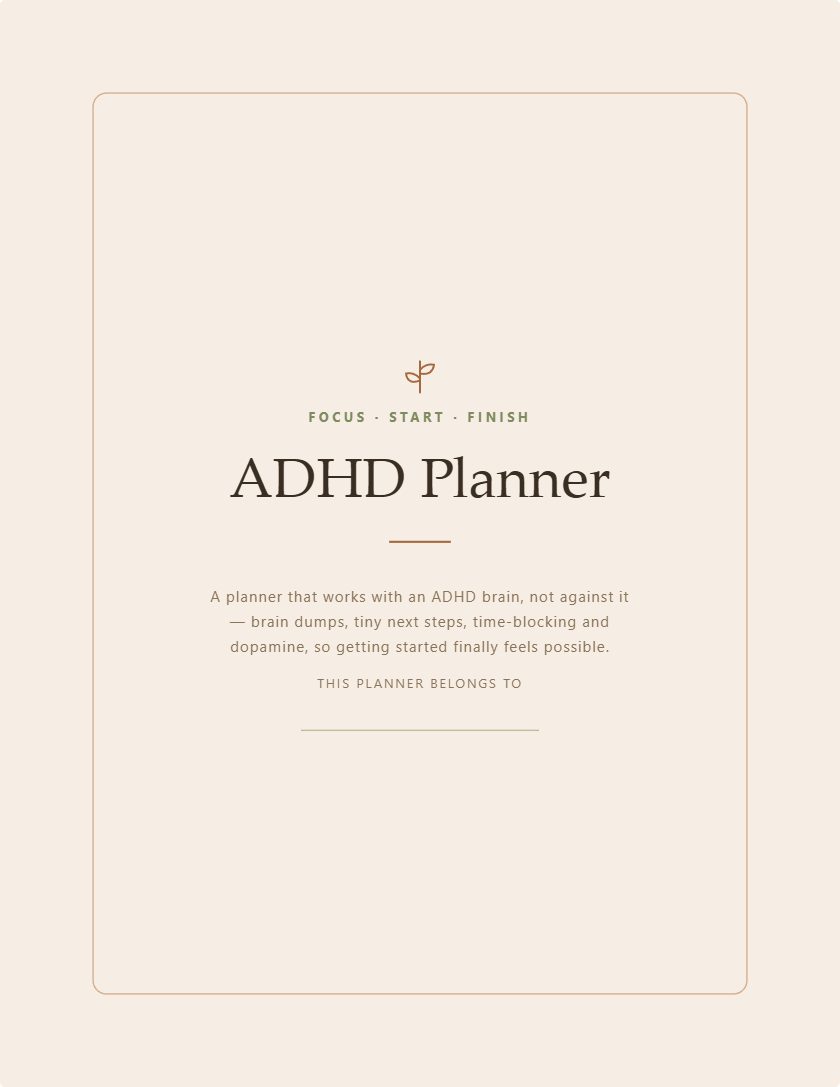
ADHD PLANNER
An ADHD planner fails when it demands too much upkeep. Generate low-friction layouts with room to skip a day, plus the Etsy listing written for you.
Every generation gives you a print-ready design — a real, unfiltered output. Similar planners are commonly priced around $6 to $24 on Etsy.
Everything you need to list and sell your adhd planner on Etsy immediately.
Most planner layouts quietly assume consistent executive function. An hour-by-hour daily grid with forty fields to fill works for somebody who already plans well. For an ADHD buyer it is the thing that makes the planner feel like homework by Wednesday.
The second failure is worse and more specific. Dated pages and unbroken habit streaks turn a missed week into visible evidence of failure. Once a planner reads as a record of what you did not do, it gets closed and not reopened.
This matters commercially because most people searching for an ADHD planner have already bought and abandoned one or two. They are not browsing. They are looking for something that accounts for why the last one did not stick, and a listing that shows you understand that converts far better than one selling neatness.
Almost never "productivity planner". The searches that convert use the vocabulary of the community itself: task paralysis, executive dysfunction, brain dump, time blindness, body doubling, dopamine menu.
These phrases have modest search volume and enormous intent. Somebody typing "task paralysis worksheet" is not comparison shopping — they know exactly what they want and are looking for the person who made it. They are also far less competitive than the broad planner terms, which is the combination a small shop needs.
Use the title for the specific need and the tags for the adjacent ones. A single planner can honestly serve task paralysis, executive dysfunction and overwhelm without keyword stuffing, because they describe the same experience from different angles.
Undated, always. It removes the guilt of a skipped week, it means the product does not expire in January, and buyers search for it explicitly.
Fewer fields, larger targets. A page with six meaningful spaces gets filled in. A page with thirty does not. Blank space is a feature here, not laziness.
Capture before sorting. Put an unstructured brain-dump area before any prioritization step. Asking somebody to rank tasks they have not yet got out of their head is the point at which most planners stall.
One page, one purpose. A layout that needs a setup ritual before first use will not survive first use. If the page needs instructions, simplify the page.
Avoid streak mechanics. Habit trackers that visibly punish a break are actively counterproductive for this buyer. Track completion, not consecutive days.
Single ADHD planner printables commonly sell between $4 and $9, slightly above a generic planner page because the buyer is paying for the thinking rather than the grid.
Bundles are where the category works properly. A set combining a brain dump page, a task paralysis worksheet and an undated weekly layout typically carries $12 to $18, because it addresses a whole pattern rather than one moment. Say the page count and say "undated" in the title — both are things this buyer filters on.
This is the one category where the wrong wording is a genuine problem rather than a compliance box. Do not describe a planner as treating, managing or improving ADHD, and do not position it as an alternative to diagnosis, therapy or medication.
Describe what the pages contain and who they were designed for. "An undated weekly layout designed around task paralysis" is accurate and sells. "Beat your ADHD in 30 days" is a health claim you cannot support, and it is the kind of thing that draws complaints from the community you are selling to.
Build a complete Etsy catalog across multiple product types.
Free step-by-step guides for turning your designs into listings that sell.
12 credits every month. No credit card. No design skills. Pick, generate, and sell.