Real Examples You Can Sell
What your planner stickers could look like
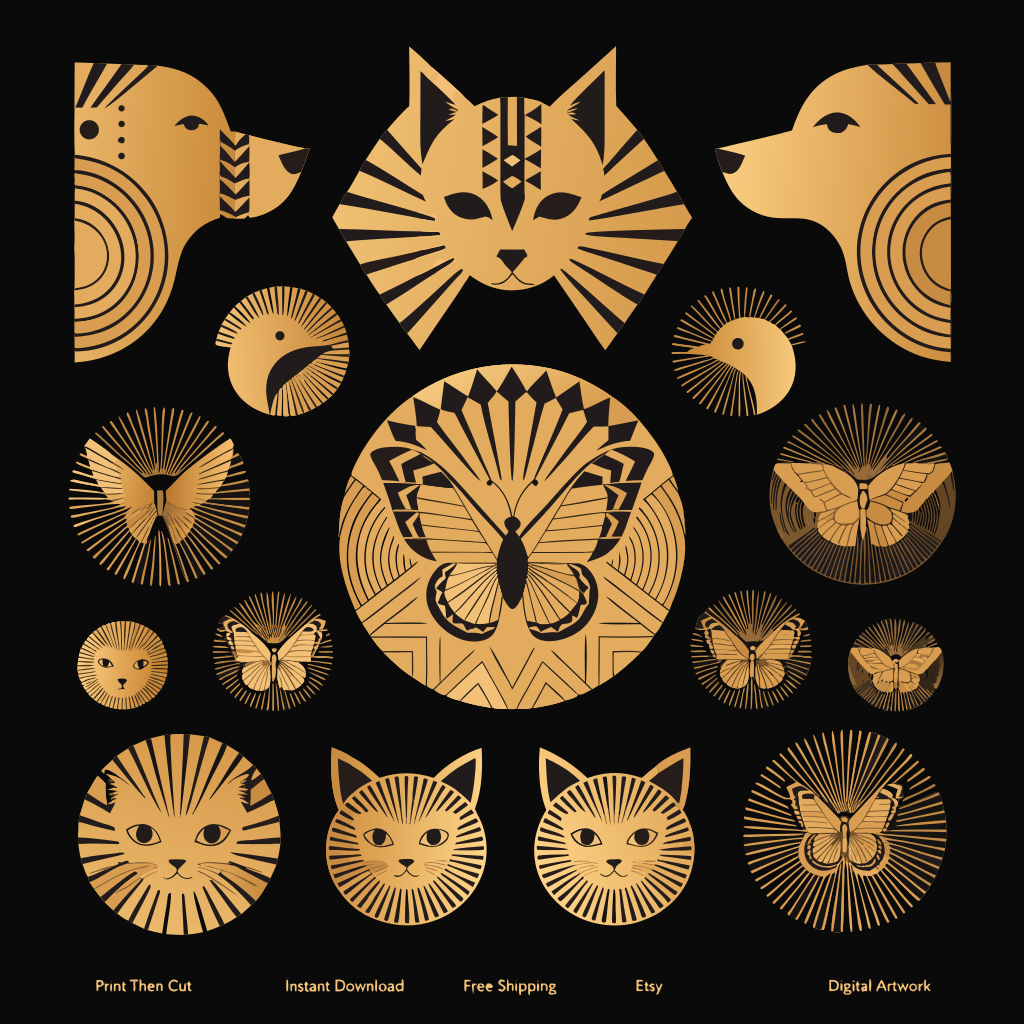
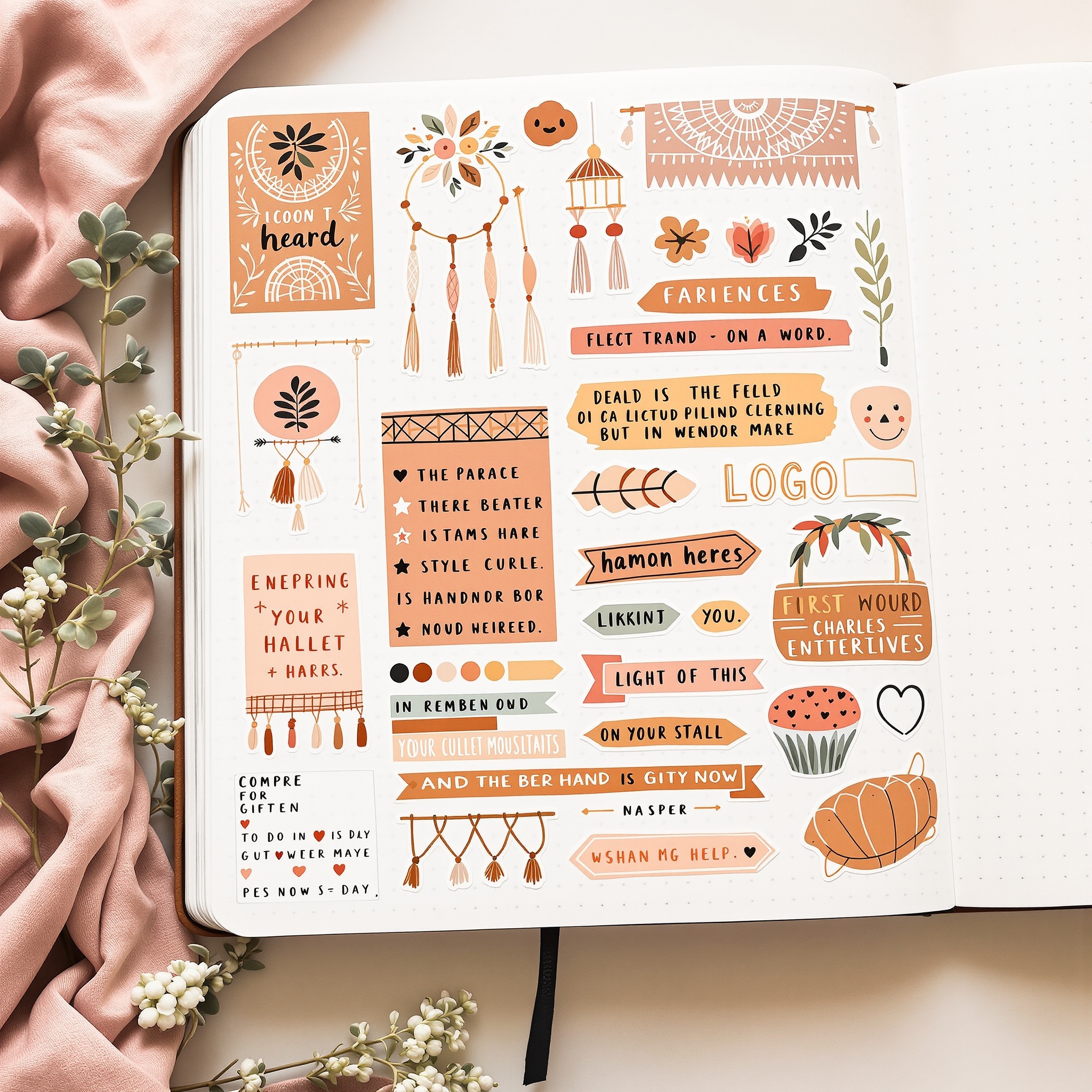
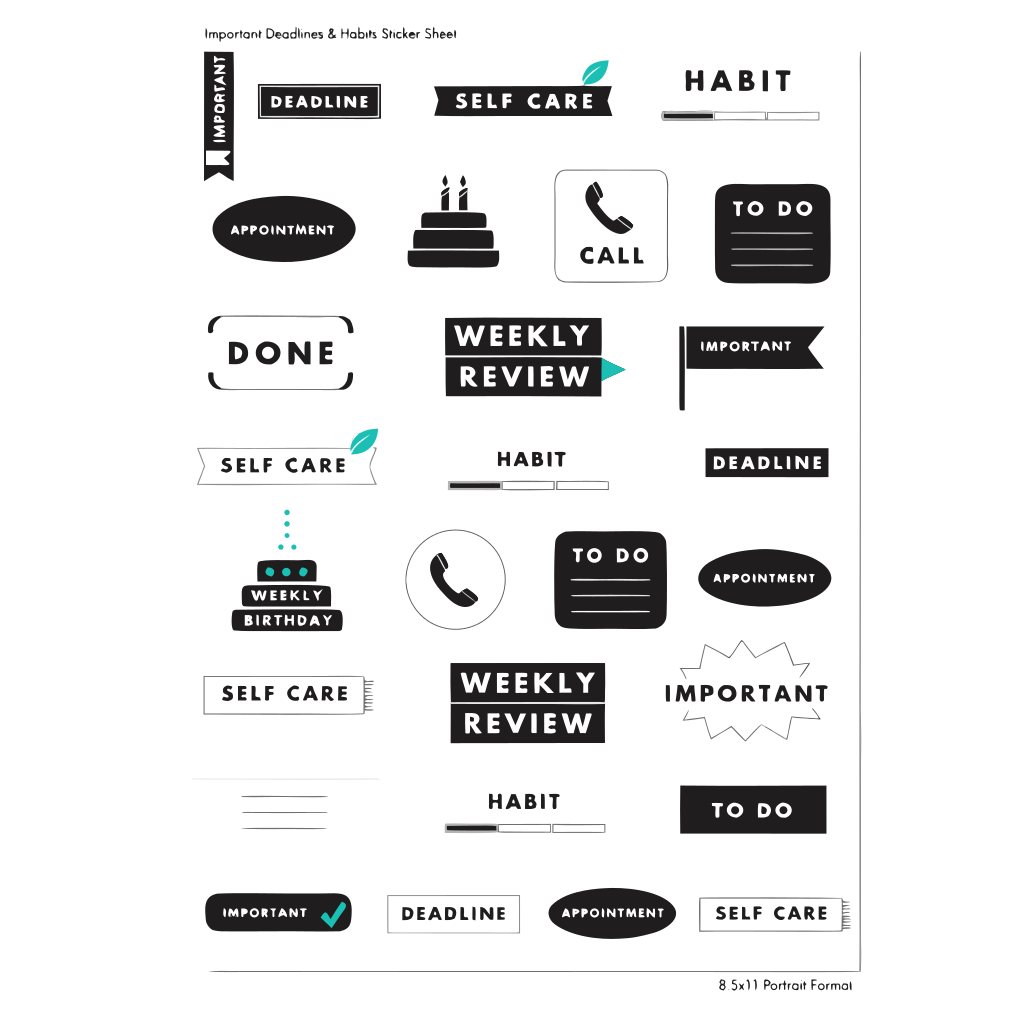
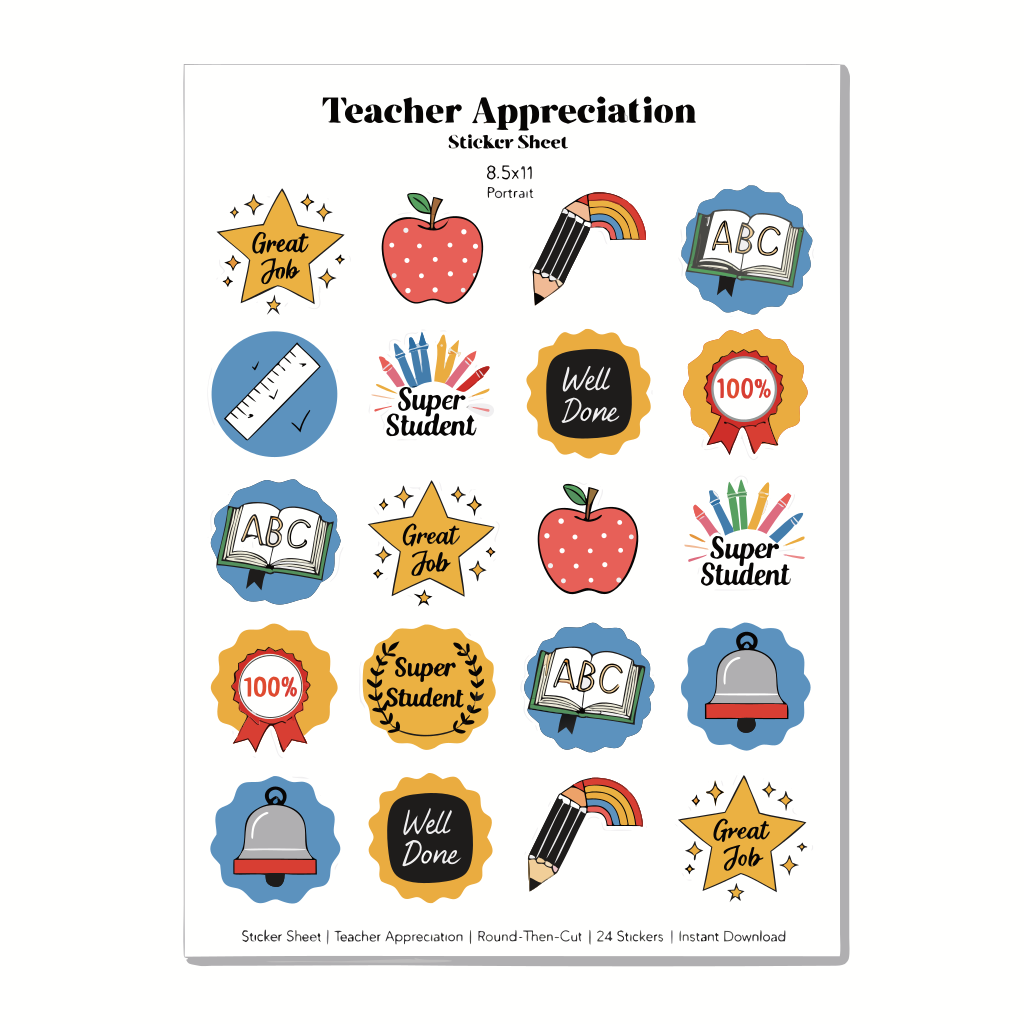
Every generation gives you a print-ready design — a real, unfiltered output. Similar listings are commonly priced around $6 to $24 on Etsy.
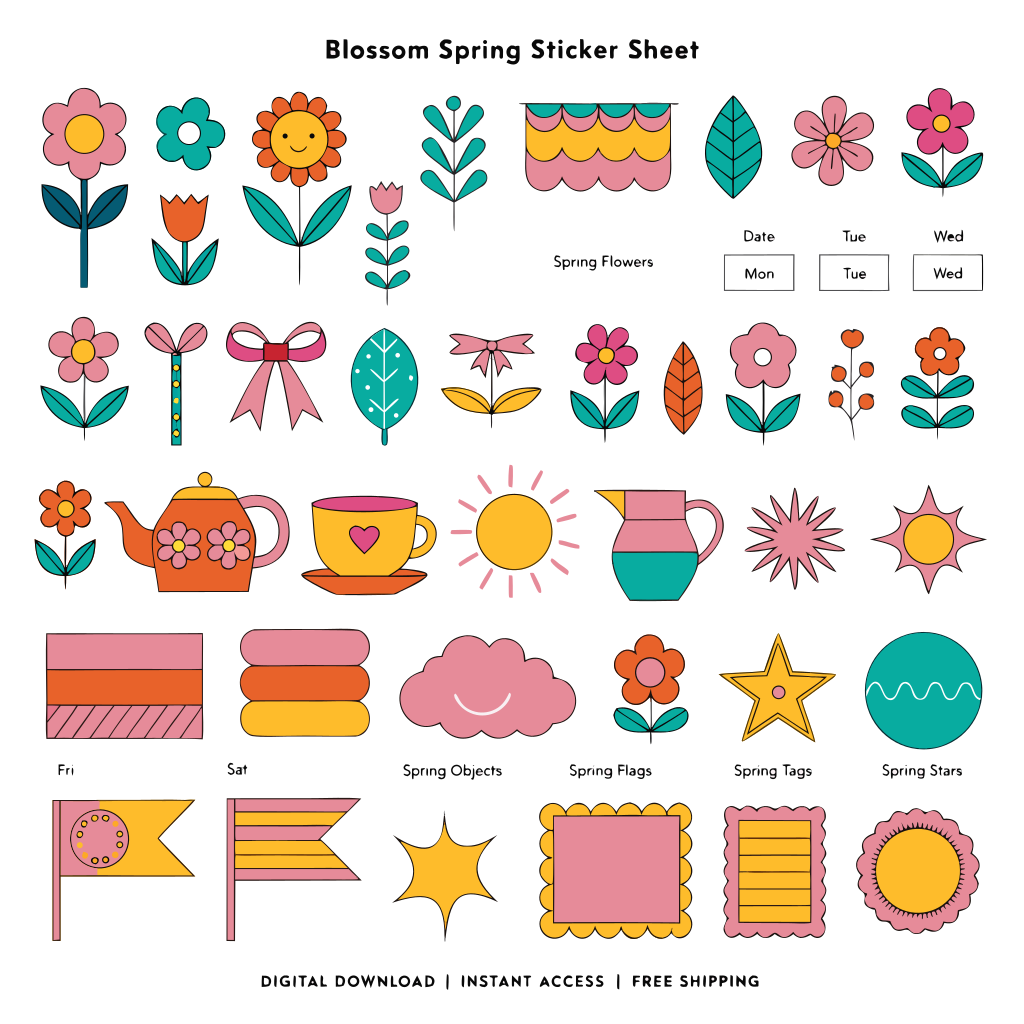
PLANNER STICKERS
Planner stickers have to fit a specific planner's boxes, so sizing is the product. Generate sheets at consistent dimensions with the Etsy listing copy included.
Every generation gives you a print-ready design — a real, unfiltered output. Similar listings are commonly priced around $6 to $24 on Etsy.
Everything you need to list and sell your planner stickers on Etsy immediately.
Planner stickers are bought to fit a specific planner. If a buyer cannot tell from your listing whether your boxes fit their layout, they will not risk it, and no amount of styling recovers that.
Box dimensions differ between planner brands and between layouts from the same brand, so measure the planner you are designing for rather than assuming a standard. Then state the size in inches, state the layout it suits, and put both in the second image. Vertical, horizontal and hourly layouts are three different products even at the same page size.
Offering one sheet at two or three common sizes is usually better than one size and a narrower market, and costs almost nothing once the artwork exists.
Your buyer has either a cutting machine or a pair of scissors, and those are two different products. Supply for both. A print-and-cut file for machine owners, and a plain PDF laid out on straight lines for everybody else.
For machine users, the registration marks are where things go wrong. If the marks are missing, cropped, or too close to the artwork, the machine cannot read the sheet and the buyer gets a failed cut rather than stickers. Test the file on the machine you are designing for before listing it.
Kiss-cut means the sticker is cut but the backing sheet is not, so the stickers stay on the sheet and peel off individually. That is what almost every planner sticker buyer wants, and it is worth saying explicitly because die-cut means something different.
Most home printers cannot print to the edge of a sheet. Artwork placed close to the paper edge either gets clipped or forces the buyer to scale the page, which ruins the sizing you just spent effort getting right.
Keep a clear margin around the whole sheet and never place a sticker in it. Then say, in the listing, that the file must be printed at 100% or actual size with page scaling off. That one sentence prevents most of the "the stickers came out too small" messages in this category.
Functional stickers do the work of the planner: appointment boxes, habit and chore trackers, bill due dates, water and workout icons, checklists. They sell steadily all year because they get used up and rebought.
Decorative and themed sets spike seasonally and sell in bursts. They are worth making, but a shop built only on themed sets goes quiet between occasions in a way that a functional range does not.
Include the PDF for printing, transparent PNGs at 300 DPI so the buyer can rearrange, and a cut file if you can produce one. Say in the listing exactly which formats are in the download, because this buyer is technical enough to care and to ask first.
Single sheets commonly sell between $2 and $5, and bundles of coordinated sheets between $8 and $15. Coordination justifies the bundle price: sheets that share a palette and work together in one week's spread are worth more than the same number of unrelated designs.
Naming a planner brand to describe fit is not the same as claiming endorsement, but Etsy enforces trademark complaints aggressively and tends to remove listings first. Leading your title with a brand name is a real risk to an established shop.
The safer construction is to describe the format rather than the brand: the page size in inches and the layout type. It reaches the same buyer, because somebody who owns the planner knows their layout, and it does not put the listing in front of a brand-protection team.
Build a complete Etsy catalog across multiple product types.
Free step-by-step guides for turning your designs into listings that sell.
12 credits every month. No credit card. No design skills. Pick, generate, and sell.