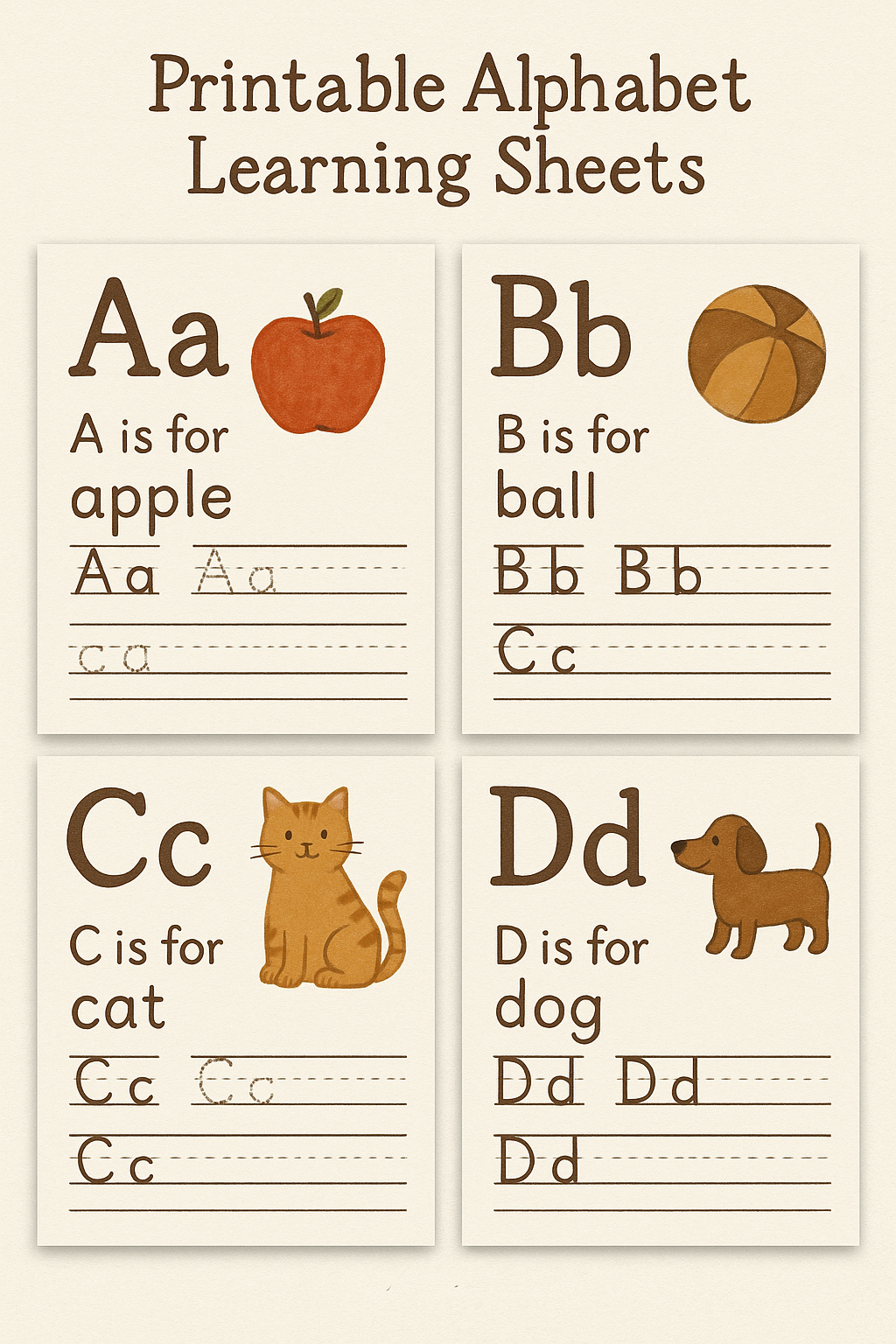
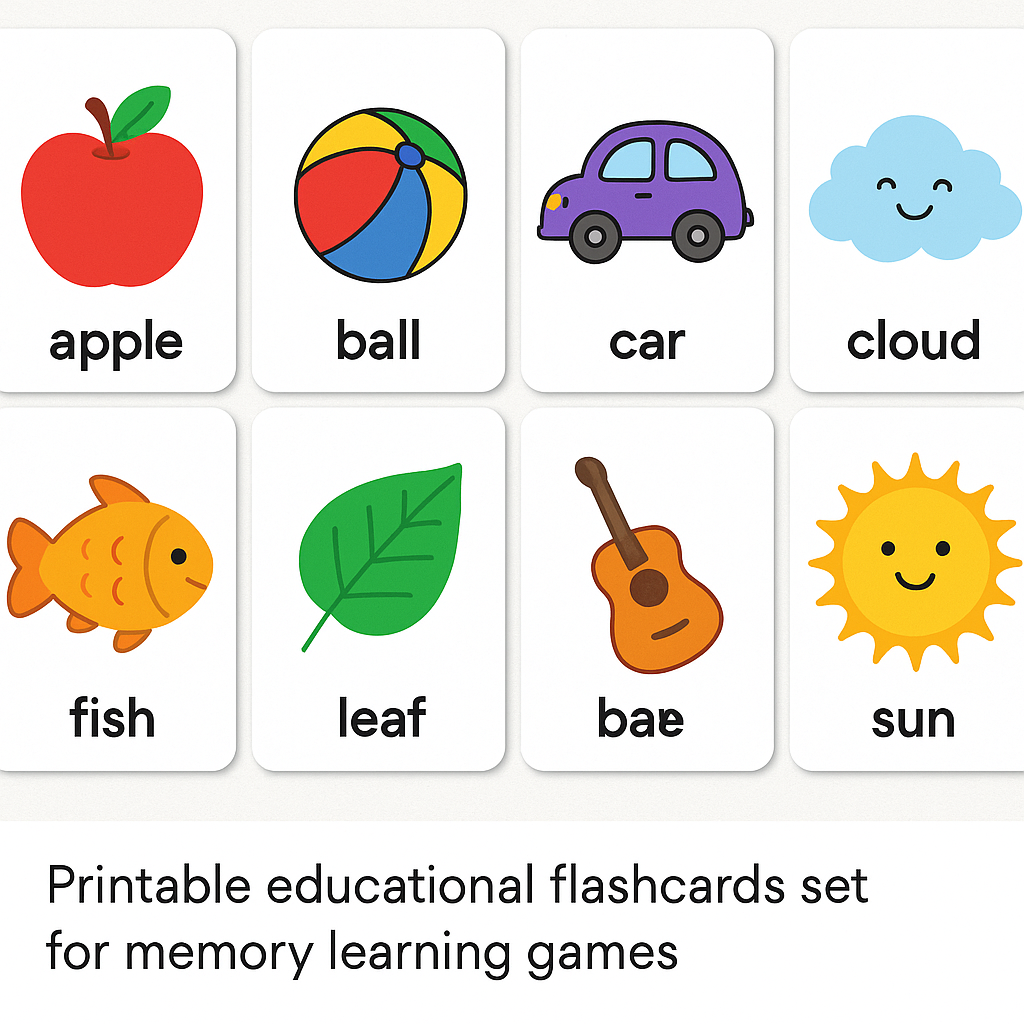
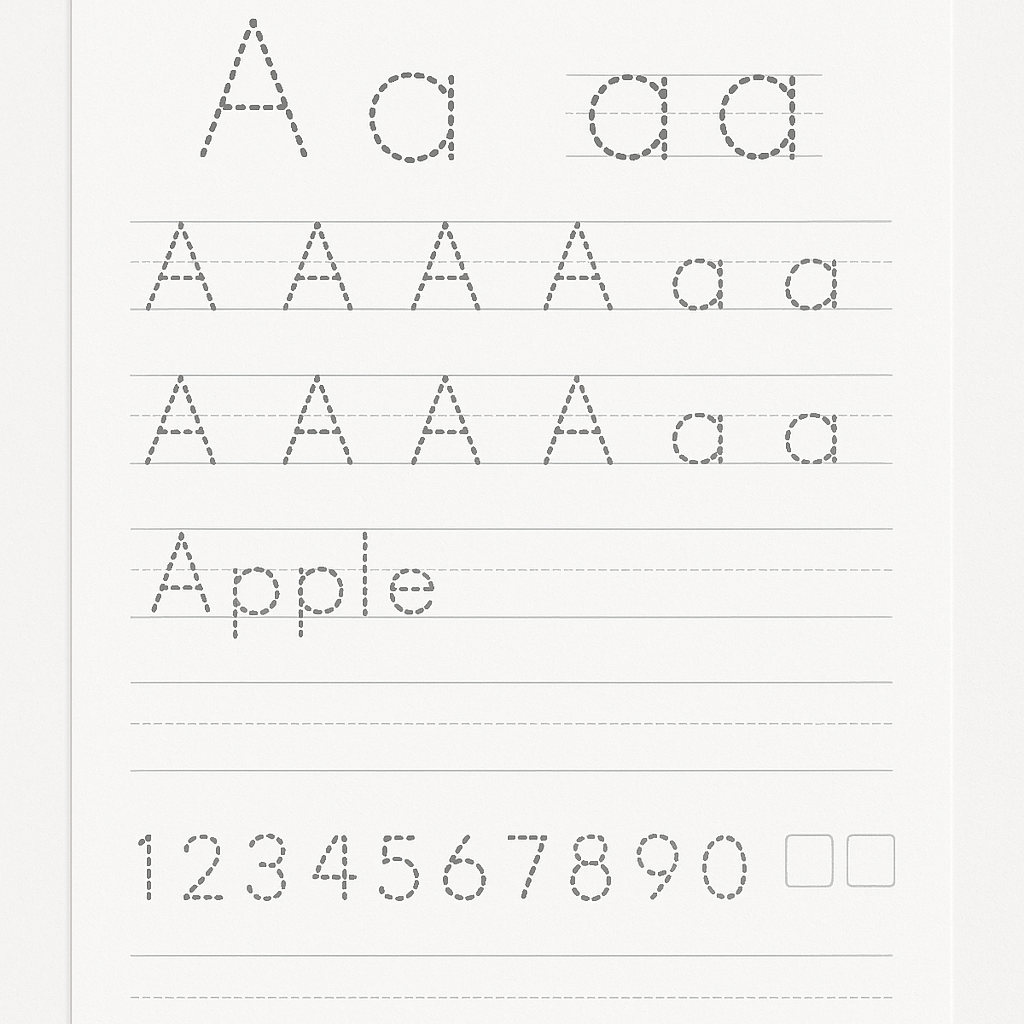
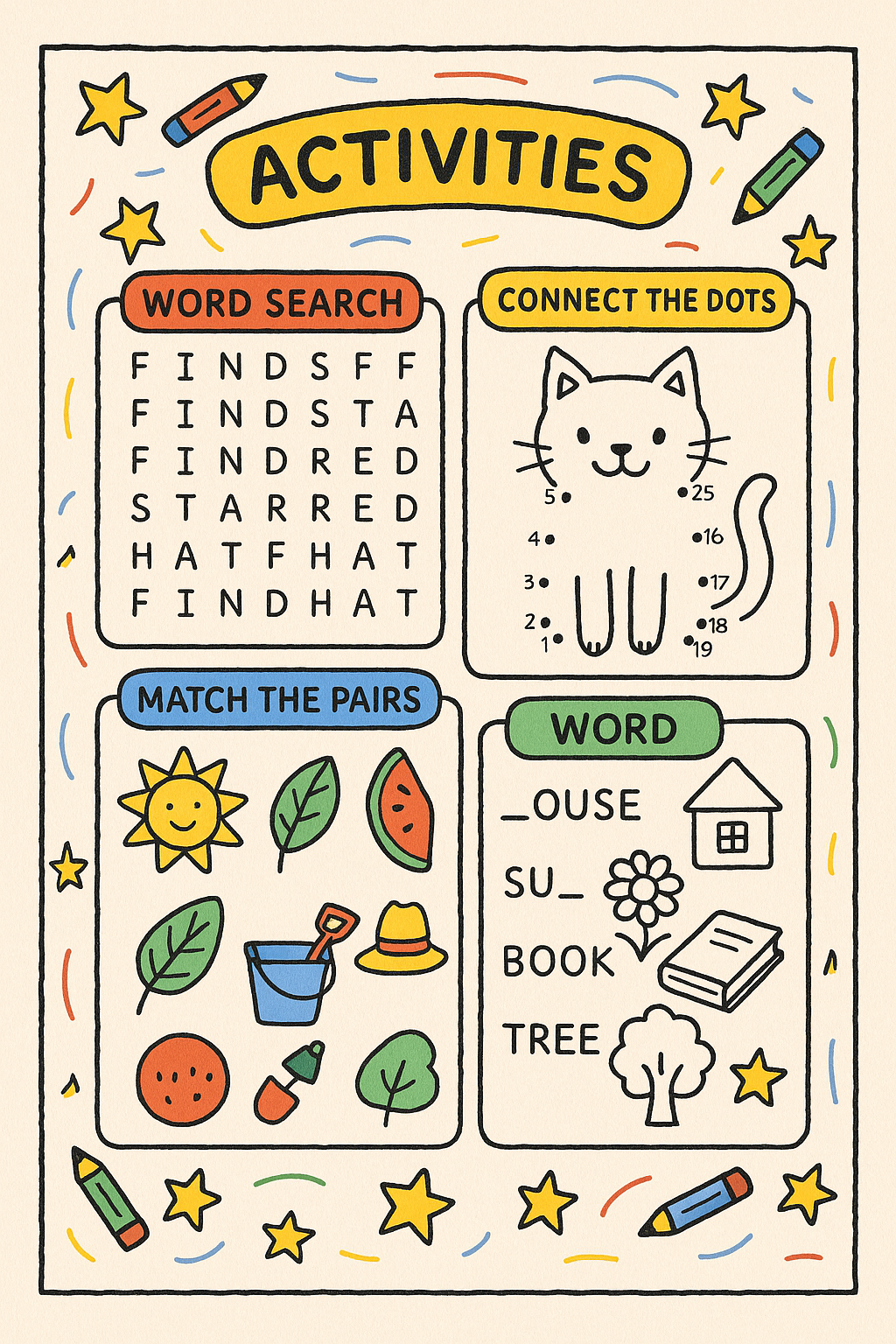
Real Examples You Can Sell
What your sight words cards could look like
Every generation gives you a print-ready design — a real, unfiltered output. Similar listings are commonly priced around $6 to $24 on Etsy.
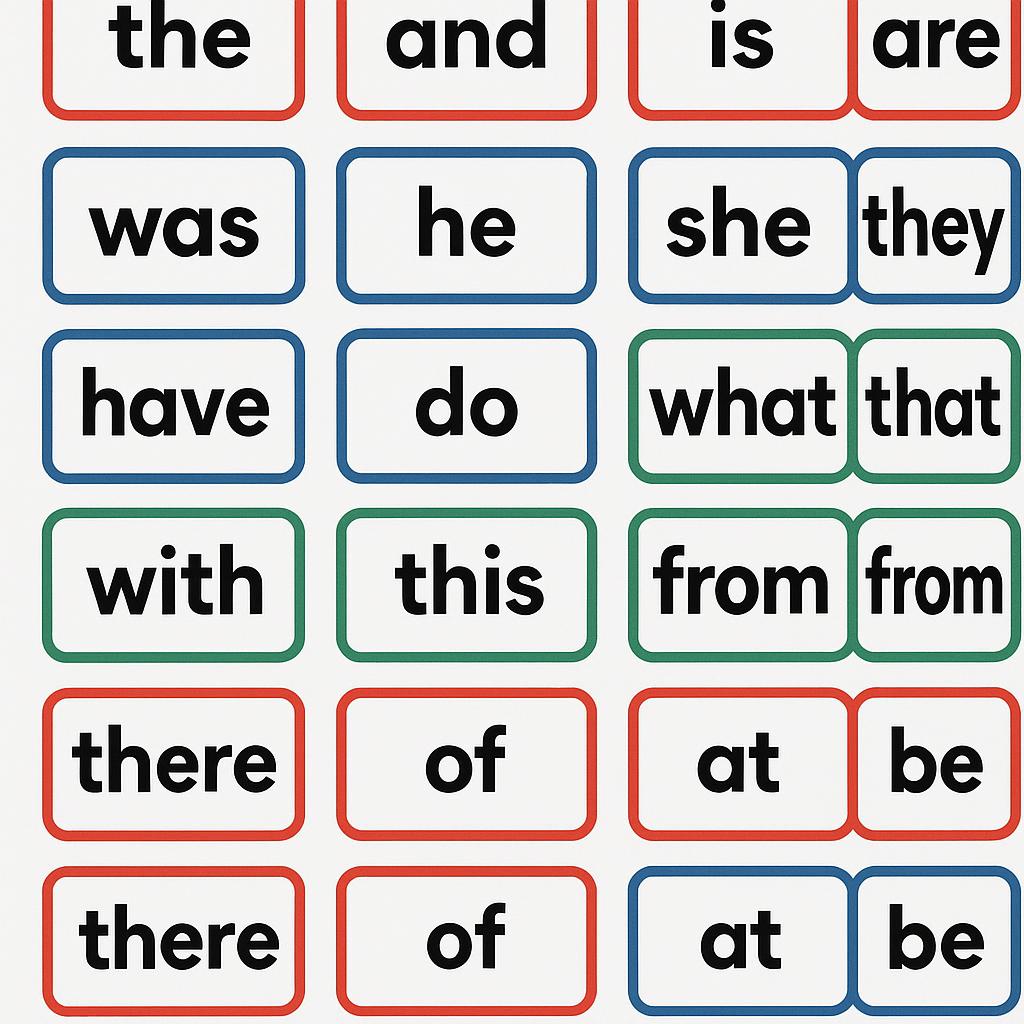
SIGHT WORDS CARDS
Sight word cards are used in a stack by a child learning to read, so type has to be unambiguous. Generate consistent card sets plus the Etsy listing.
Every generation gives you a print-ready design — a real, unfiltered output. Similar listings are commonly priced around $6 to $24 on Etsy.
Everything you need to list and sell your sight words cards on Etsy immediately.
This is the single most useful thing to know about the category. There are two canonical word lists in wide use, and teachers search for them by name.
The Dolch list contains 220 service words plus 95 common nouns, banded from pre-primer through third grade. The Fry list contains 1,000 words organized in groups of one hundred by frequency. A teacher looking for material knows which one their school uses, and searches accordingly.
So "Dolch sight words pre-primer flash cards" is a far better title than "sight word cards", despite the lower search volume. The person typing it has a class starting in a fortnight and a budget. Put the list name and the band in the title, and use the tags for the other list and the adjacent grades.
Most fonts render lowercase a and g in their typographic form, with a curved hood on the a and a two-part descender on the g. Children learning to read and write are taught the simple forms: a single circle with a stem, and a single-storey g.
Using a standard typographic font on early-reader cards means the child is being shown a letter shape that does not match the one they are being taught to write. Use a primary or infant-style typeface where the a and g are the handwritten forms. It is the difference between a product a teacher will use and one they will quietly discard.
Two related rules. Avoid decorative or script fonts entirely at this level. And do not set early reader cards in all capitals, because recognizing lowercase word shapes is part of what the cards are teaching.
Cards need to be readable at arm's length by a child sitting in a group, which usually means fewer cards per page than feels efficient. Four or six to a page is normal; twelve is too many.
Lay them out on straight lines so they can be cut with a guillotine in one pass rather than cut out individually. Include cut lines, and keep a margin at the sheet edge so nothing is lost to printer margins.
Say in the listing what card stock you designed for, and whether the file suits lamination. Teachers laminate almost everything, and a design with artwork running to the card edge loses its border once trimmed after laminating. A small internal margin solves it.
If you offer a double-sided version for self-checking, alignment is the risk. Test the duplex print on a real printer before listing it, because a back page that is a few millimeters out makes the whole set unusable.
Teachers are the most valuable buyer in this category. They buy complete sets rather than single sheets, they return each year, and they recommend to colleagues. They are also the least forgiving of errors: a misspelled word on a reading card will get a review saying so.
Homeschooling parents are the second audience and search differently, often by age rather than grade and frequently with the word homeschool attached. Speech and language therapists and tutors form a smaller third group who tend to want the cards plain rather than themed.
Complete sets commonly sell between $3 and $8, and full graded bundles covering several bands between $10 and $20. Completeness is what justifies the bundle price here, because a teacher wants the whole progression, not a sample of it.
Do not claim alignment to a named curriculum standard unless you have genuinely checked the cards against it. Referring to the Dolch or Fry lists is a factual description of the word set and is fine; implying endorsement by a school system or standards body is not.
Avoid promises about reading outcomes or timelines. Describe what the set contains, which list it follows and which band it covers, and let the teacher judge whether it fits their class.
Build a complete Etsy catalog across multiple product types.
Free step-by-step guides for turning your designs into listings that sell.
12 credits every month. No credit card. No design skills. Pick, generate, and sell.