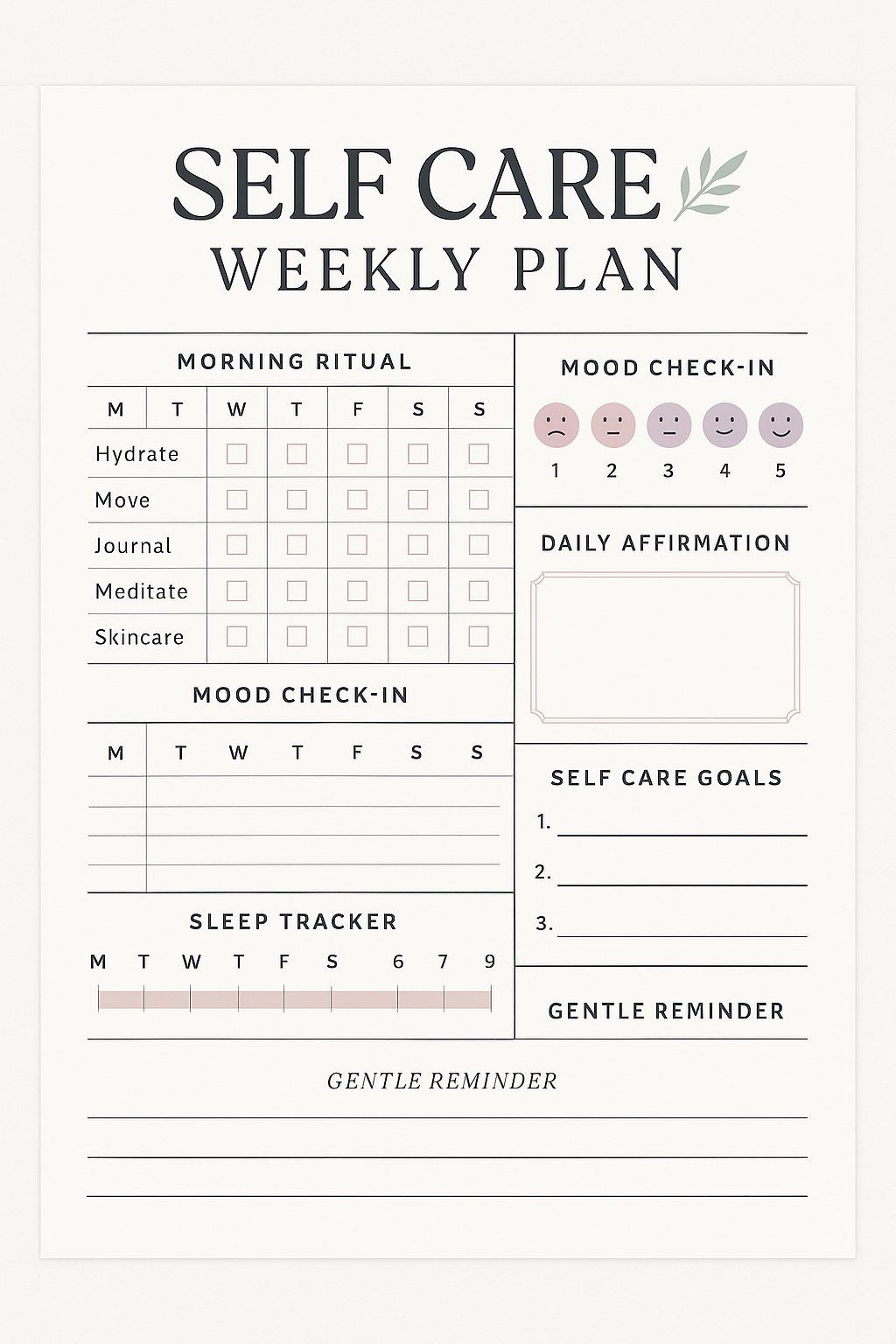
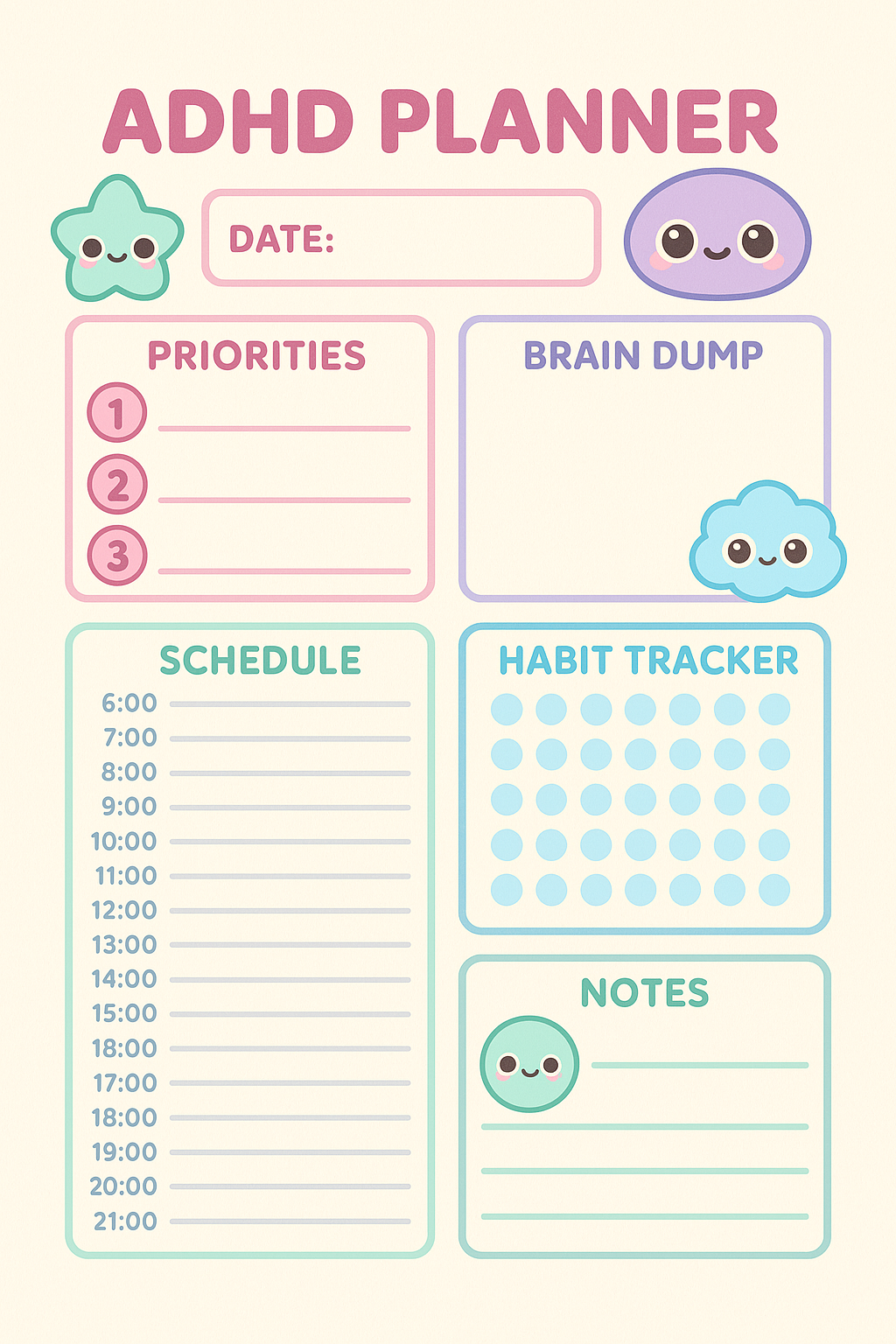
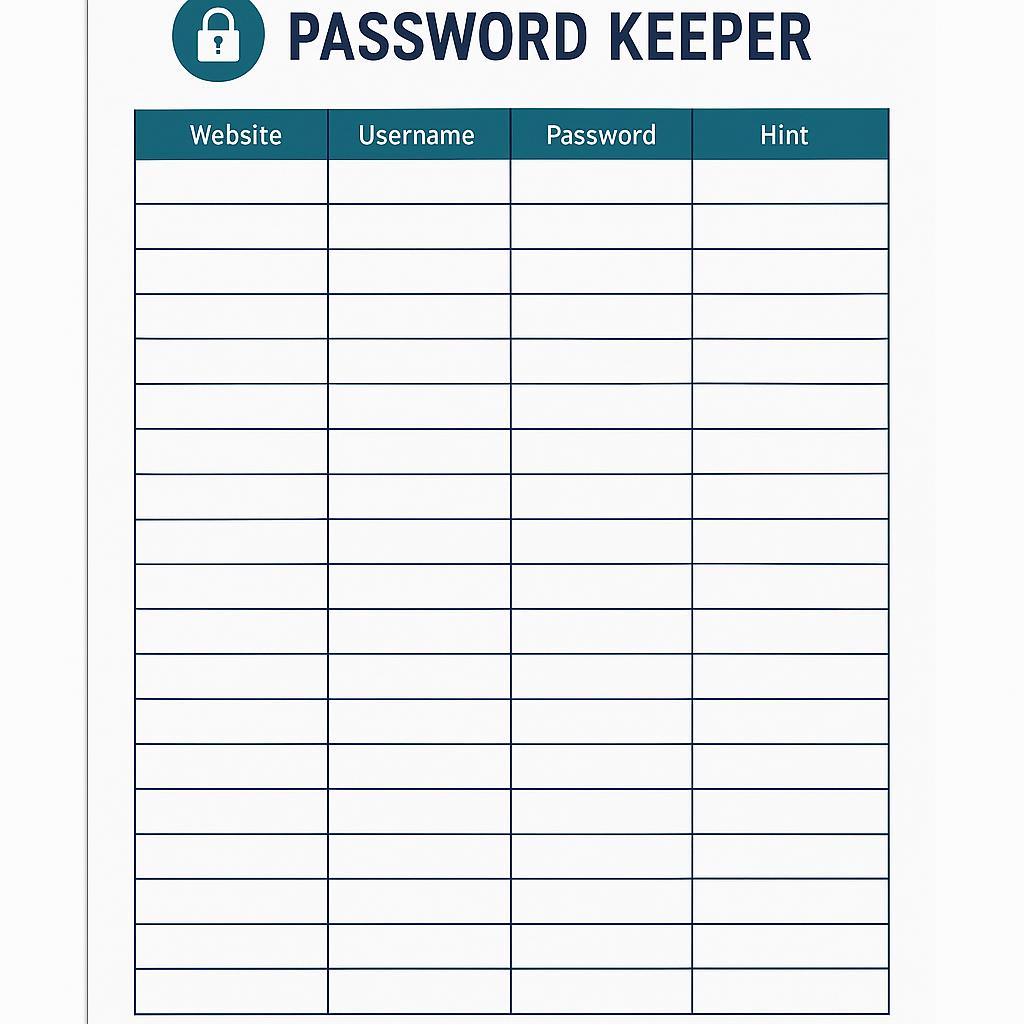
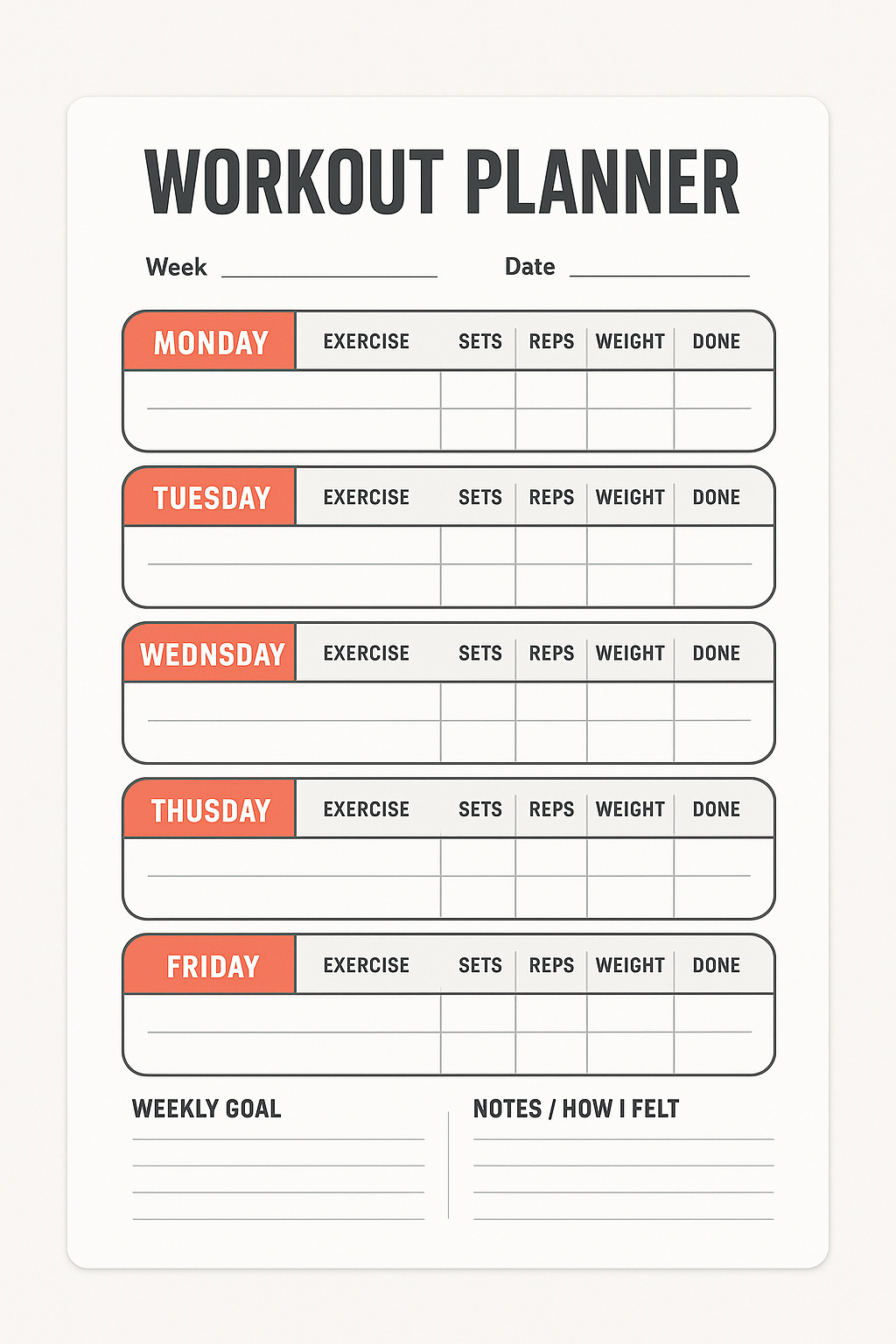
Real Examples You Can Sell
What your budget planner could look like
Every generation gives you a print-ready design — a real, unfiltered output. Similar listings are commonly priced around $6 to $24 on Etsy.
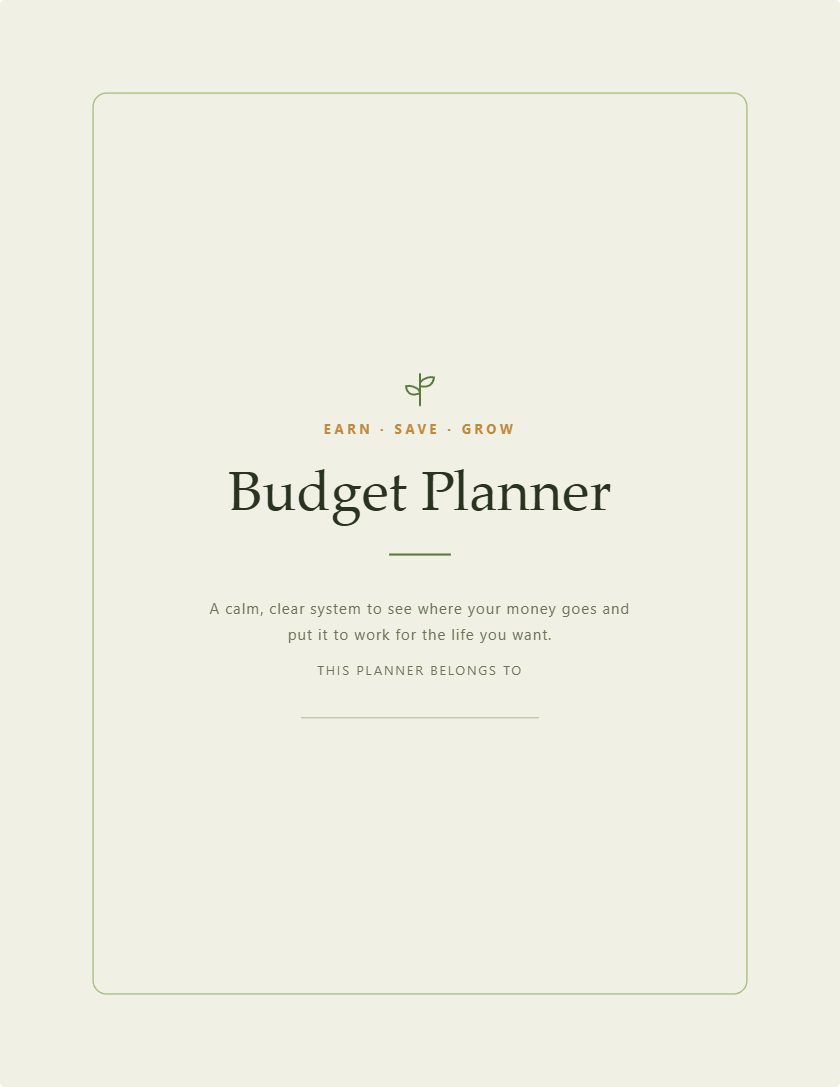
BUDGET PLANNER
A budget planner is judged on whether the categories match how the buyer actually spends. Generate flexible layouts and the Etsy listing copy in one go.
Every generation gives you a print-ready design — a real, unfiltered output. Similar listings are commonly priced around $6 to $24 on Etsy.
Everything you need to list and sell your budget planner on Etsy immediately.
Almost nobody searches "budget planner" with intent. They search the method they have already decided to follow, and the method names are the whole keyword strategy for this category.
The ones that carry real volume are zero-based budgeting, the envelope method, cash stuffing, 50/30/20, sinking funds, and the debt snowball and debt avalanche. Each describes a different system, and a buyer committed to one is not looking for a generic grid.
This works in a small shop's favour. "Sinking funds tracker printable" is winnable in a way that "budget planner" is not, and the person typing it knows exactly what a sinking fund is and simply wants a page for it.
A large part of current demand is not a planner at all. Cash stuffing uses a binder of envelopes with paper inserts, and the inserts are the product.
That means size is a hard requirement rather than a preference. These are bought to fit a specific binder and envelope format, most commonly A6, so state the size in the title and design to it exactly. A tracker that does not fit the binder is returned, not adapted.
The related products are the ones people buy alongside: savings challenge sheets, sinking fund trackers, and cash breakdown sheets for counting denominations. Selling those as a coordinated set is more effective than selling a single comprehensive planner, because this buyer assembles a system rather than buying one.
Monthly budget layouts assume a monthly salary. A large share of buyers are paid weekly or fortnightly, and for them a monthly grid does not match how money actually arrives.
Offering a paycheck-based layout, where the sheet is organized around one pay period rather than one calendar month, addresses a genuine gap and is worth saying explicitly in the listing. It is also a phrase people search directly.
Keep everything undated. A budget planner that expires in January is a product you have to reissue annually, and undated is something buyers filter for.
Offer at least US Letter and A4, and add A5 and A6 if you are serving binder users. Half letter is worth including for the disc-bound systems. Say which sizes are in the download, because this buyer usually already owns the binder.
Single trackers commonly sell between $2 and $5, complete budget planners between $4 and $10, and full bundles combining a monthly planner with savings challenges and sinking fund trackers between $12 and $20. The bundle is the natural product here because the method needs several sheets to work.
This is the category where careless wording creates real exposure. You are selling stationery, not financial advice, and the listing needs to read that way.
Do not promise debt payoff timelines, savings amounts or financial outcomes. Do not imply the product constitutes advice on managing money, and avoid anything that reads as a guarantee. "A zero-based budgeting worksheet with space for 40 categories" is accurate and sells perfectly well.
Testimonials describing sums somebody saved are a particular risk, both because outcomes vary enormously and because implied earnings claims attract scrutiny. Describe what the pages contain and let the buyer bring their own numbers.
Build a complete Etsy catalog across multiple product types.
Free step-by-step guides for turning your designs into listings that sell.
12 credits every month. No credit card. No design skills. Pick, generate, and sell.